
Recovery Residence in Grand Junction, CO
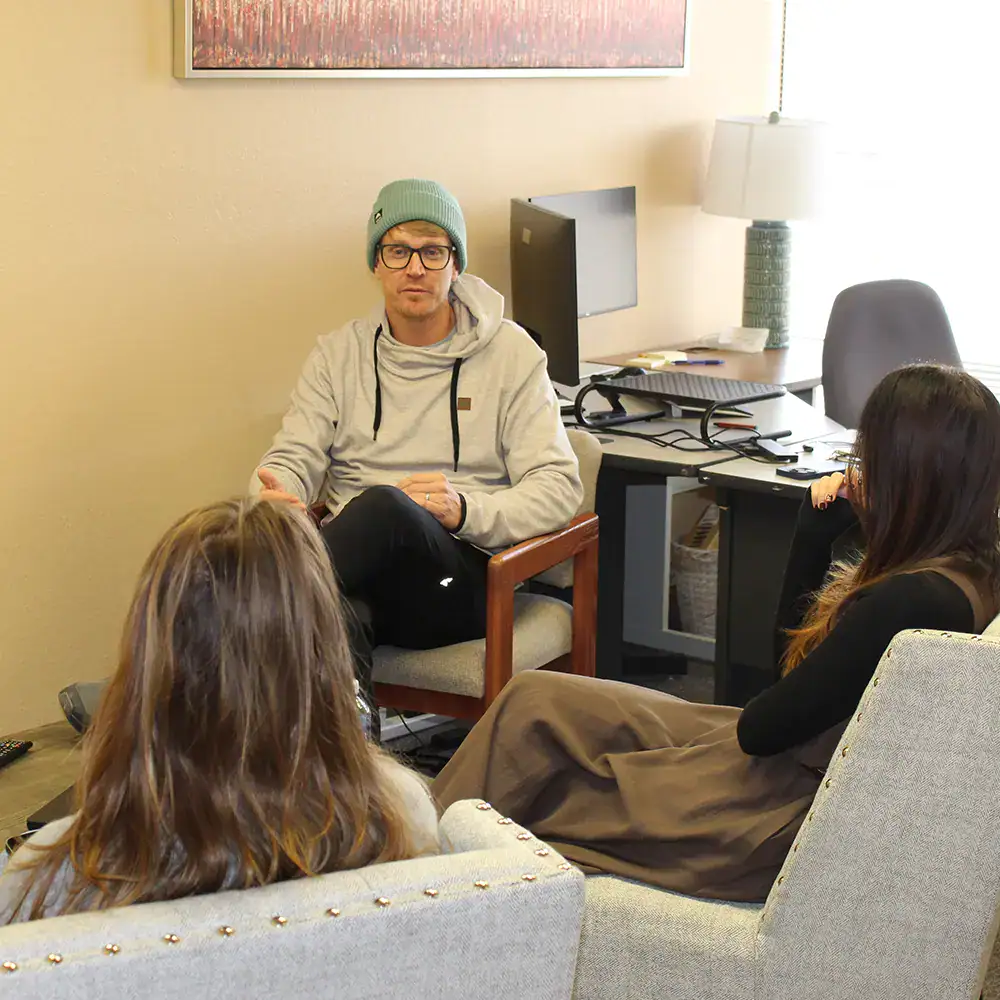
Peer-Supported Sober Living After Clinical Care
Recovery doesn’t end when residential treatment does.
Ava Health’s Recovery Residence provides structured, peer-supported sober living for individuals who have completed ASAM Level 3.1, or another higher level of care, and need continued stability before fully independent housing.
This is not clinical treatment.
It is structured recovery housing with accountability, food support, and daily rhythm.
Safe, structured sober living
Peer accountability and mentorship
Meals and essential supports included
Designed as a step-down from a higher level of residential care
What Is a Recovery Residence?
A Recovery Residence is structured sober living designed for people who are medically and psychiatrically stable but still benefit from:
- Peer support
- Accountability
- Routine
- Community-based recovery engagement
Unlike independent sober homes or Oxford-style houses, Ava Health’s Recovery Residence provides:
- Staff-guided structure
- Food and shared meals
- Coordinated recovery activities
- Clear expectations and house standards
This is transitional recovery housing with oversight, without clinical intensity.
Who This Level Is For
You may be a fit for Recovery Residence if you:
- Completed ASAM 3.1 or residential treatment
- Are stable but not ready for fully independent housing
- Need continued sober accountability
- Want community support while rebuilding work, school, or family stability
- Benefit from structured living but no longer require 24/7 clinical oversight
This is a step forward, not a step back.
Continued Clinical Access - When Needed
While Recovery Residence is not residential treatment, residents may access Intensive Outpatient (IOP), Outpatient (OP), medication management, or other services at Ava Health’s Crossroads campus if clinically indicated.
This ensures continuity of care without returning to a higher level unnecessarily.
What Daily Life Looks Like
Recovery Residence feels like a real home – with purpose.
Residents experience:
- Shared housing with structured expectations
- Provided meals and communal dining
- House meetings and peer accountability
- Curfews that support consistency
- Recovery meeting participation
- Access and transportation to IOP, outpatient, or other services at Ava Health’s Crossroads campus when clinically indicated
- Staff-guided activities and community engagement
- Support with job search, school enrollment, and housing planning
Structure remains.
Clinical intensity decreases.
Personal responsibility increases.
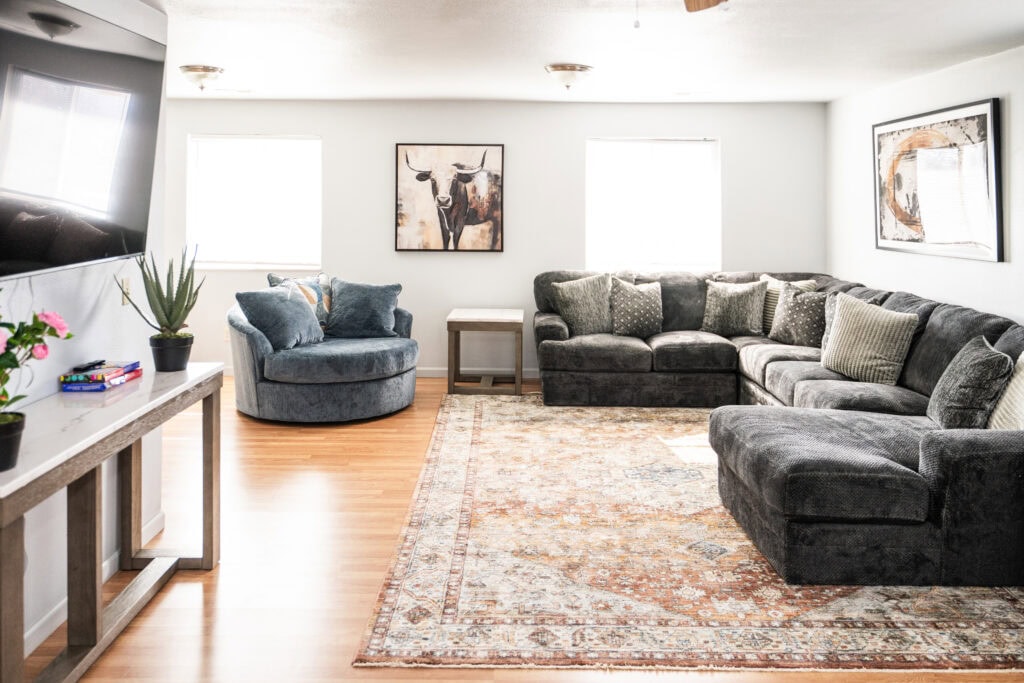
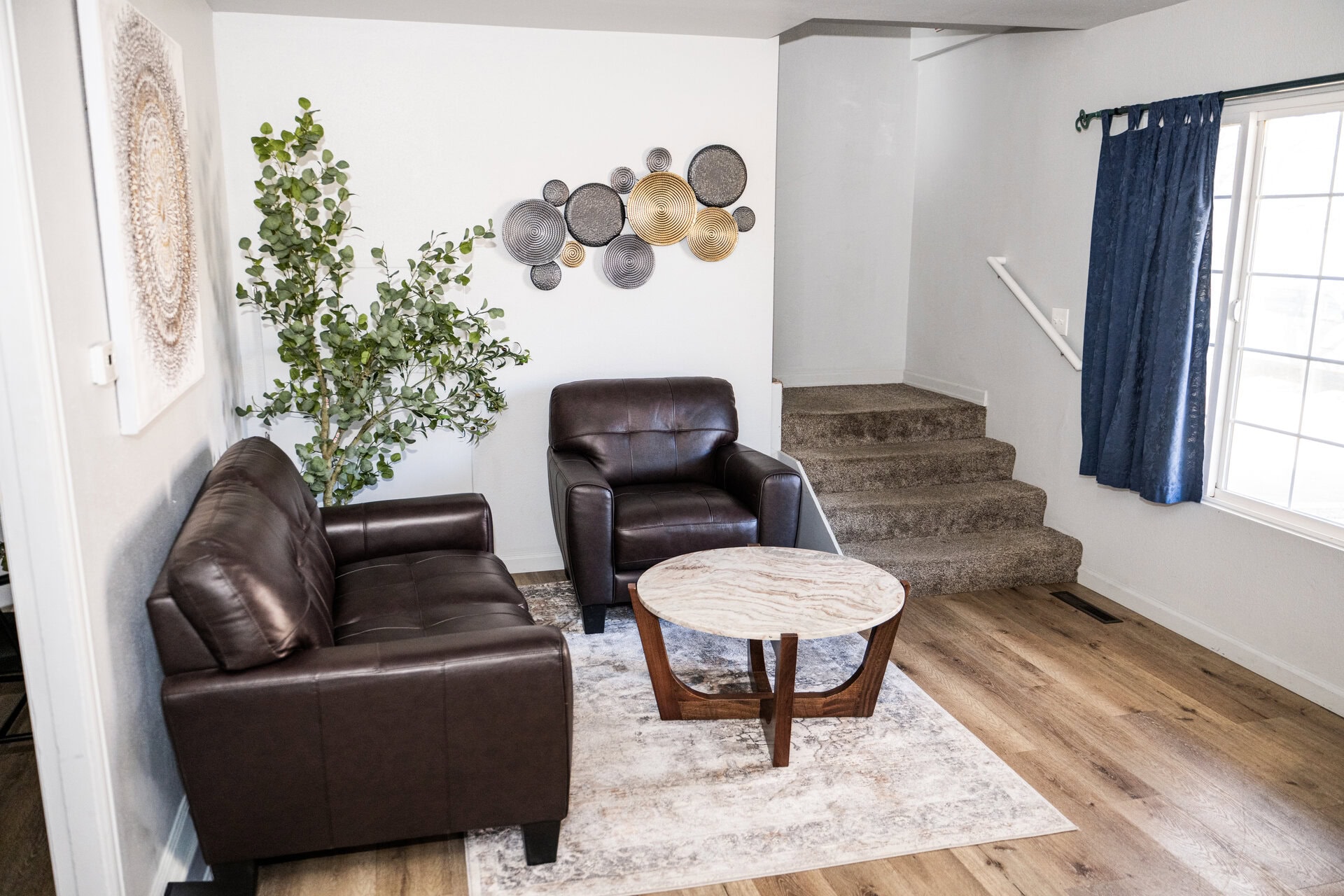
Designed to Feel Like Home
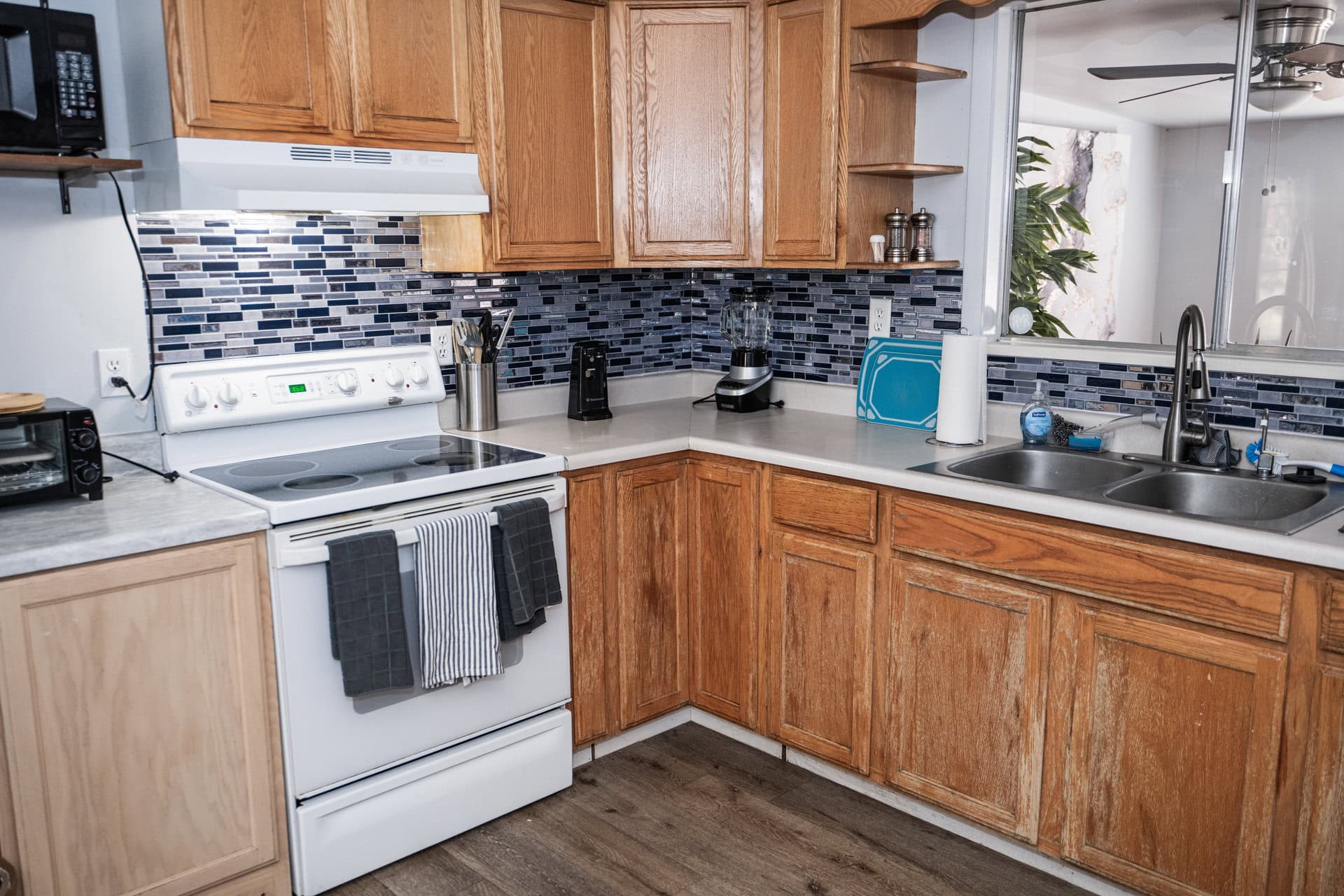
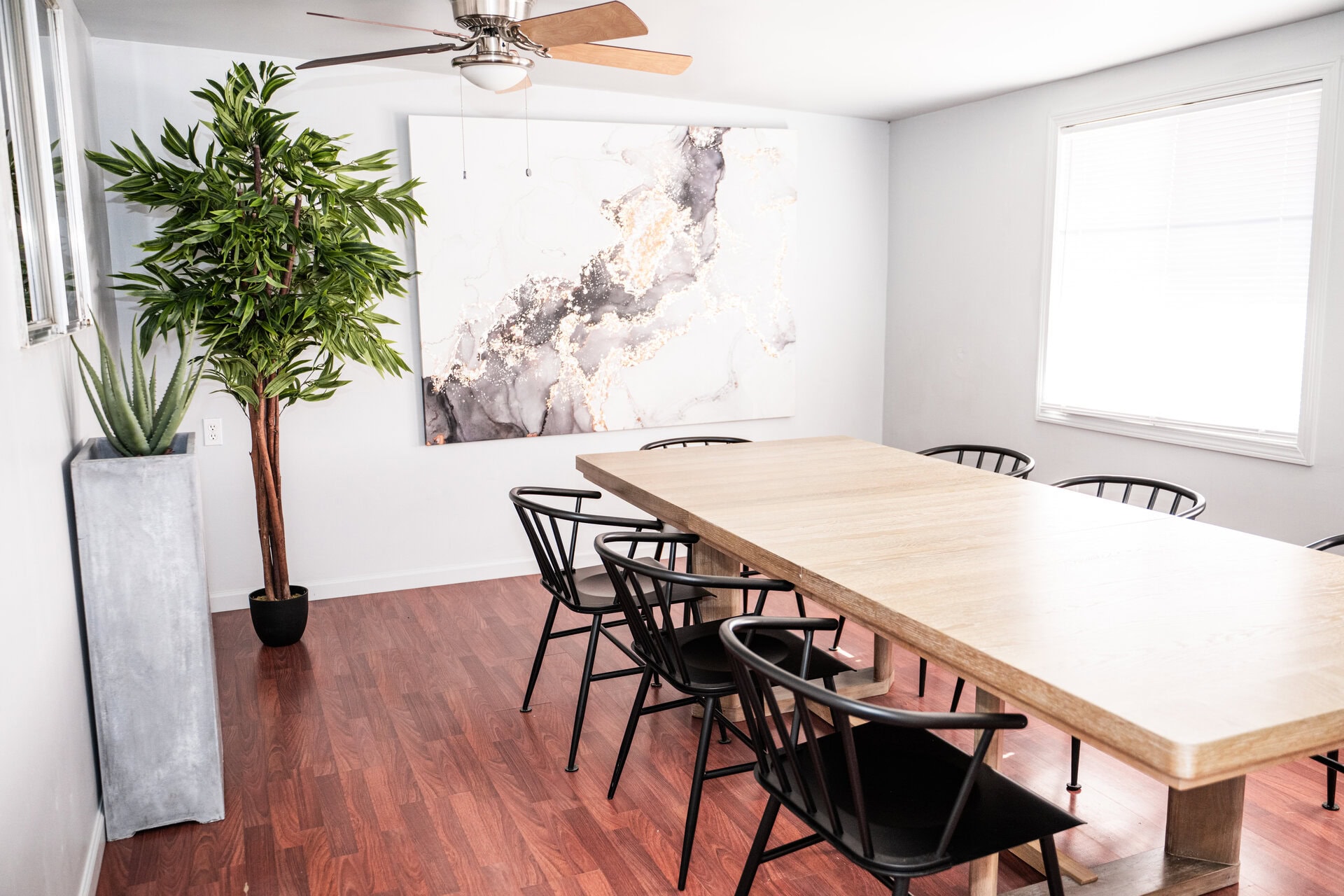
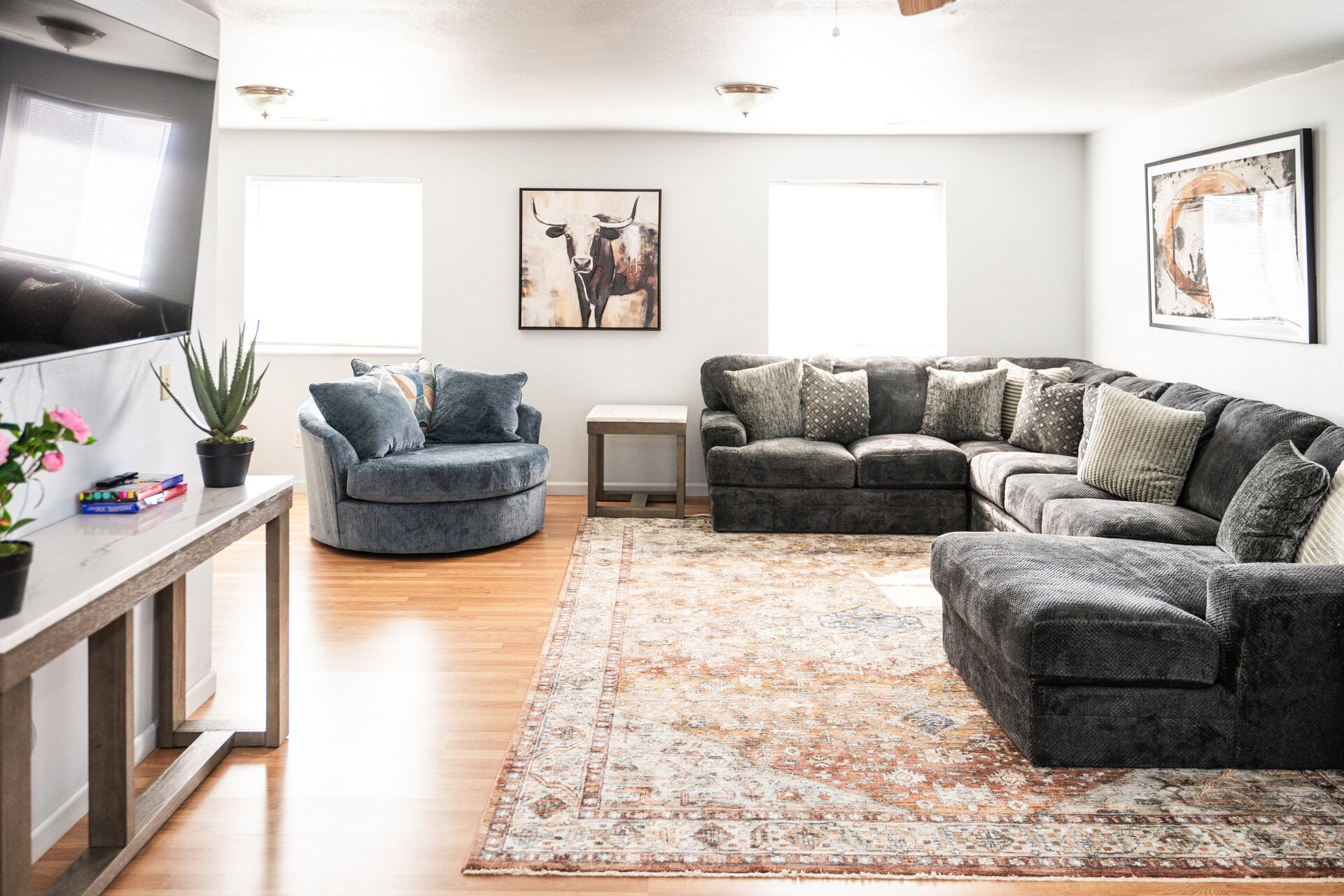
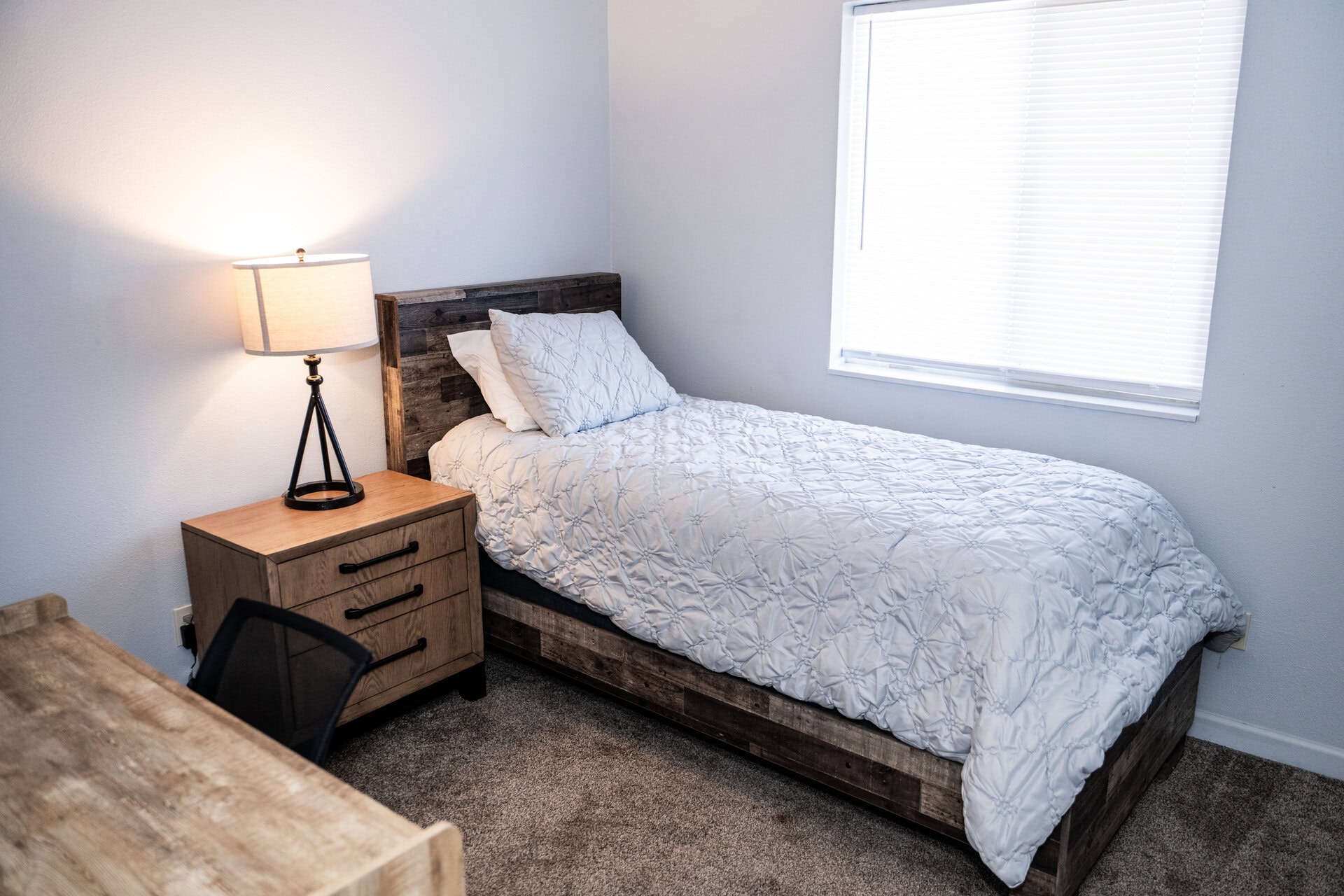
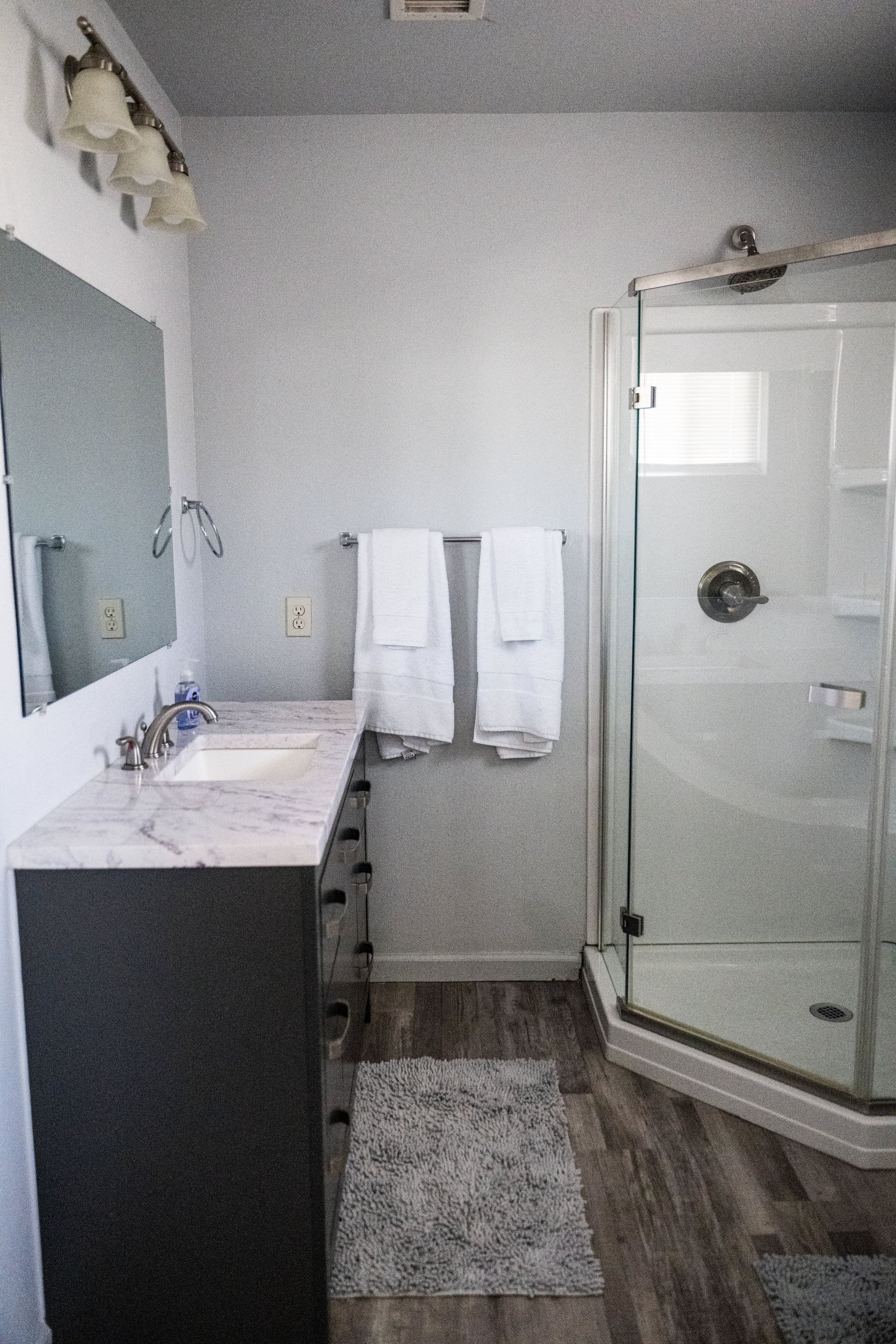
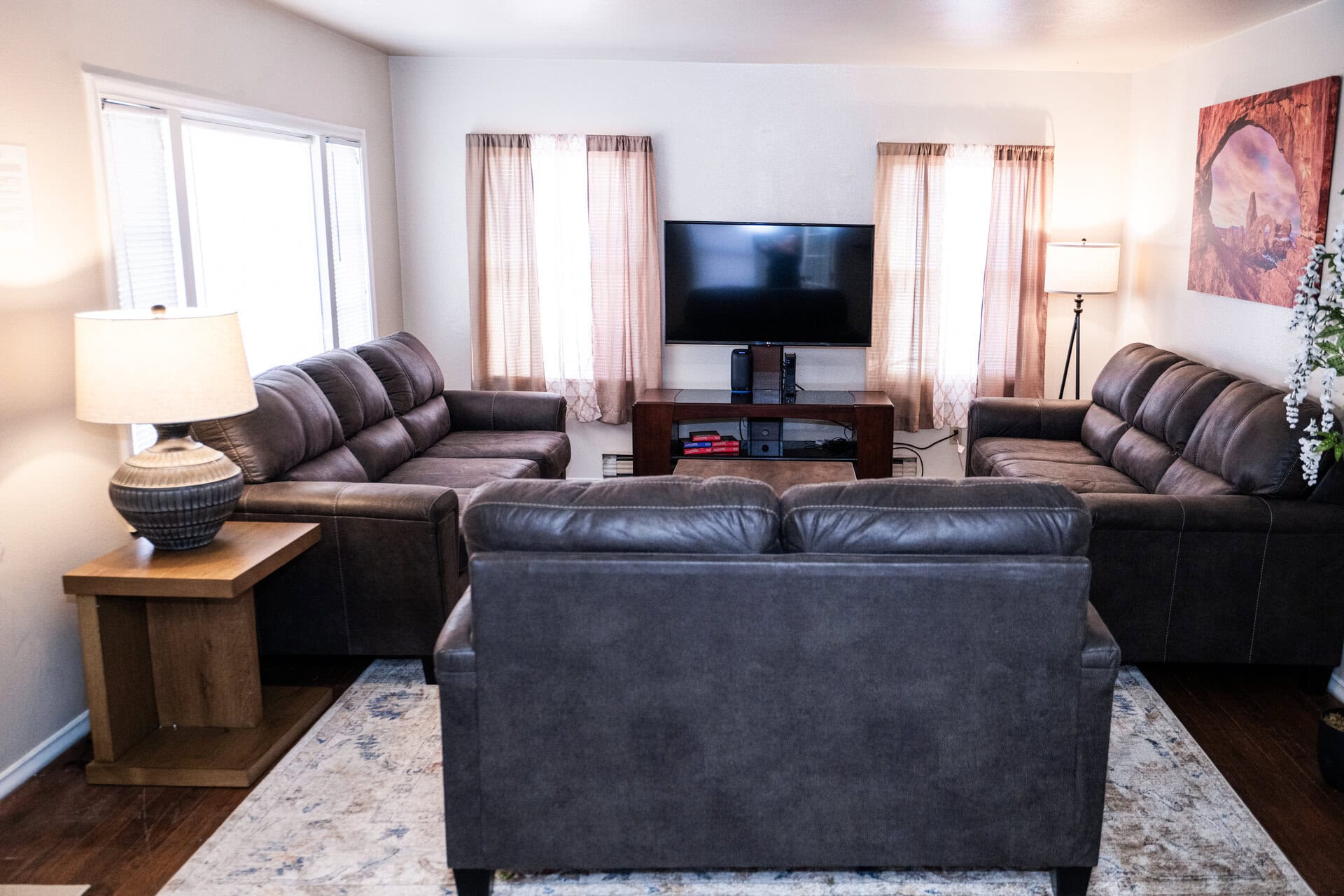
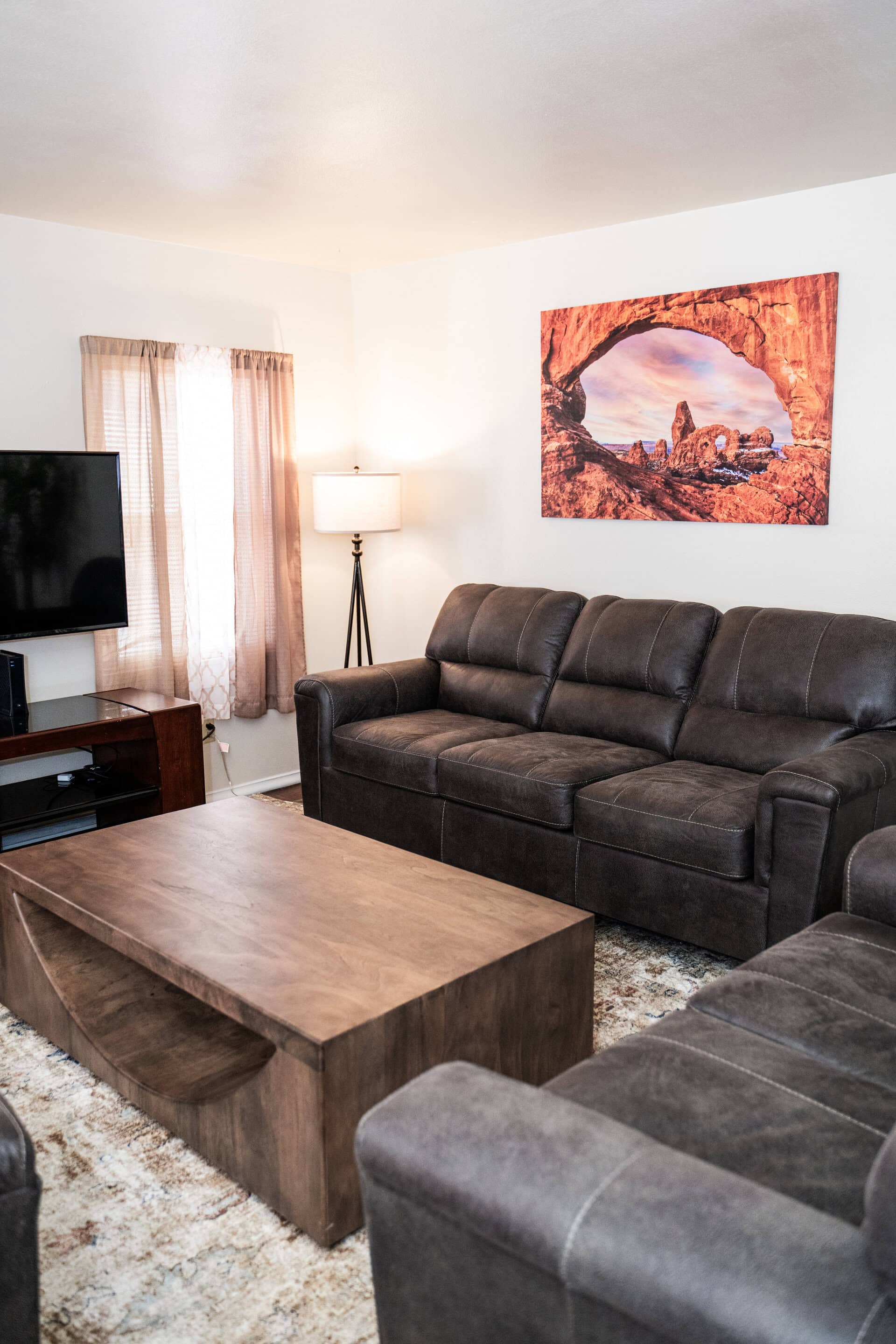
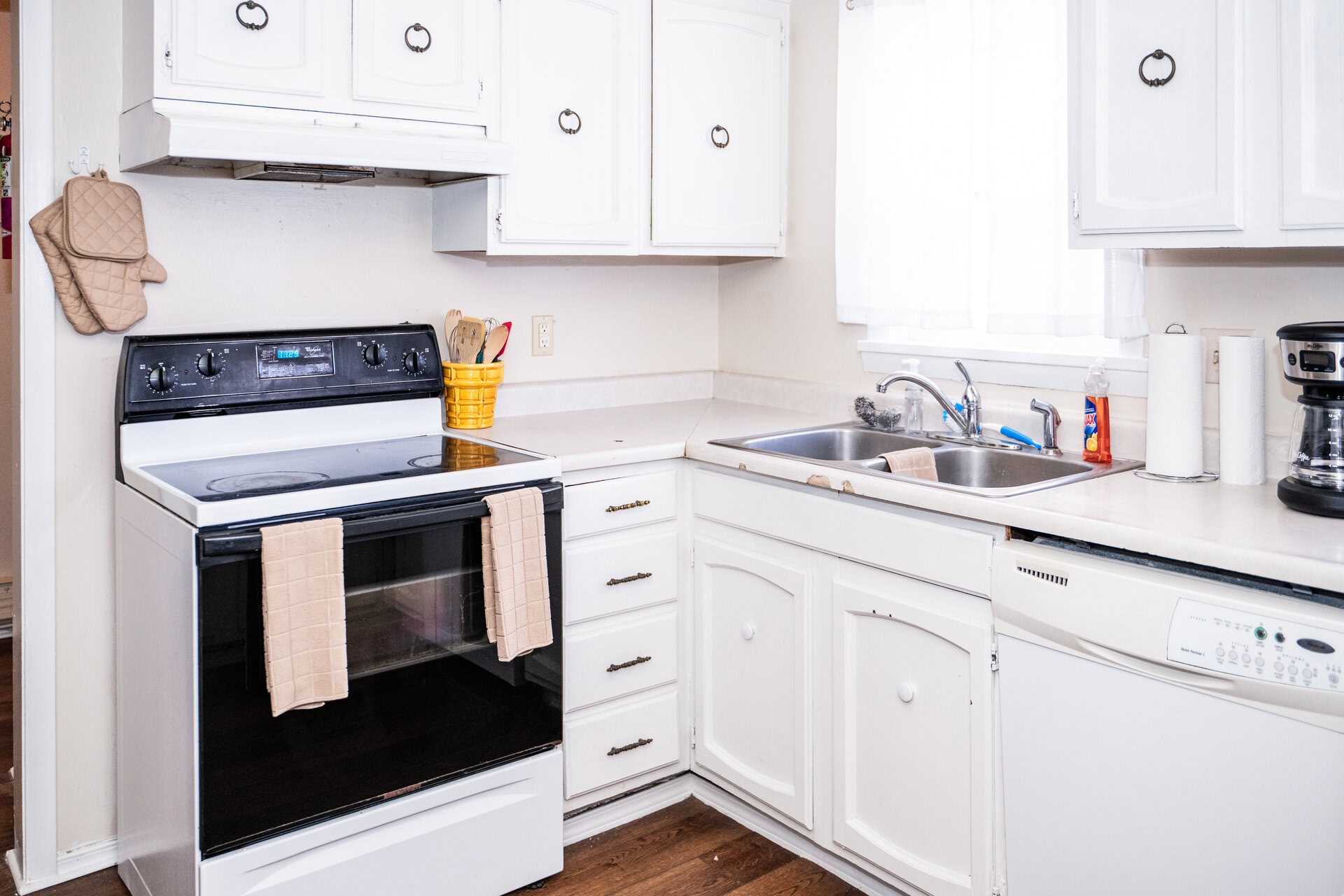
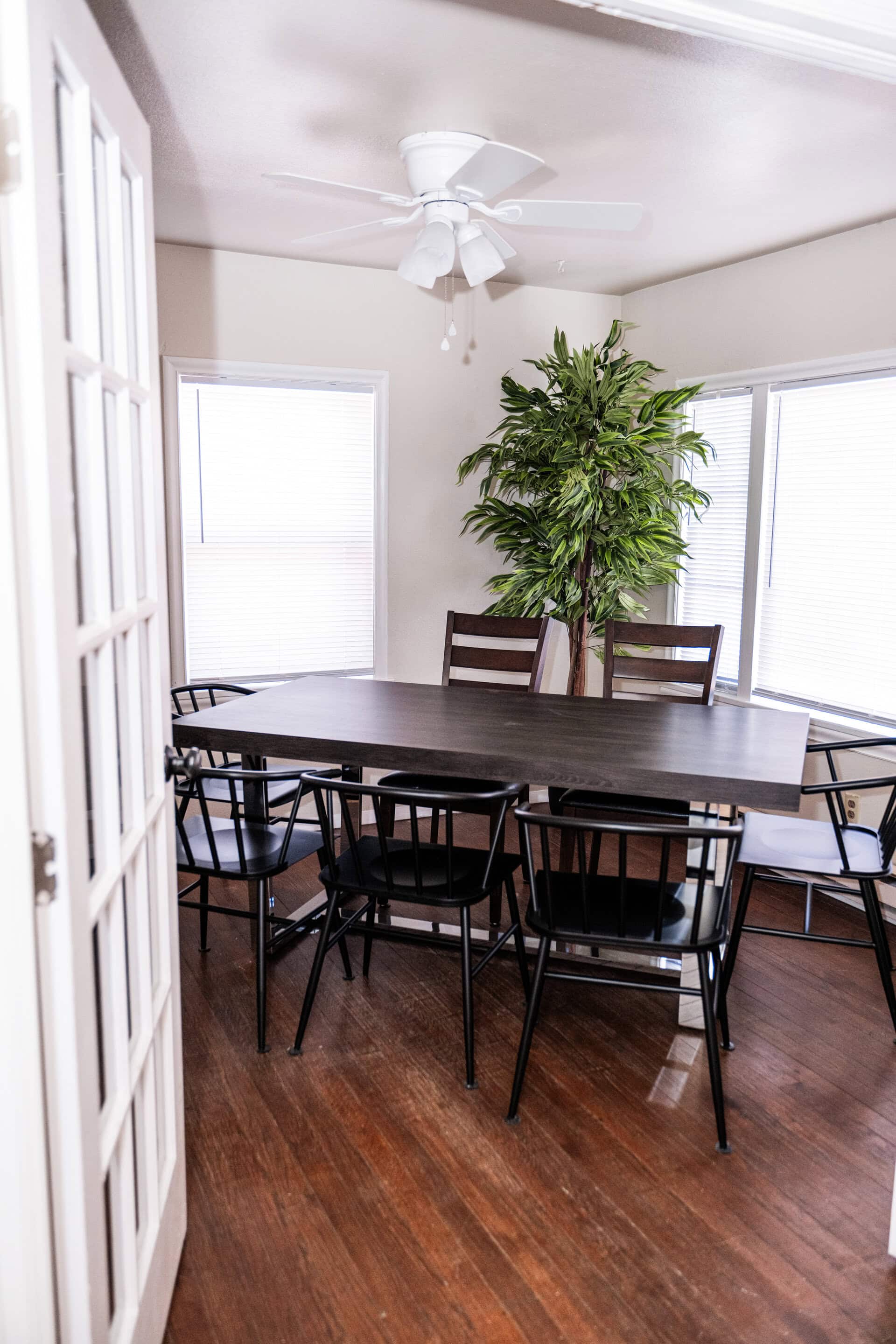
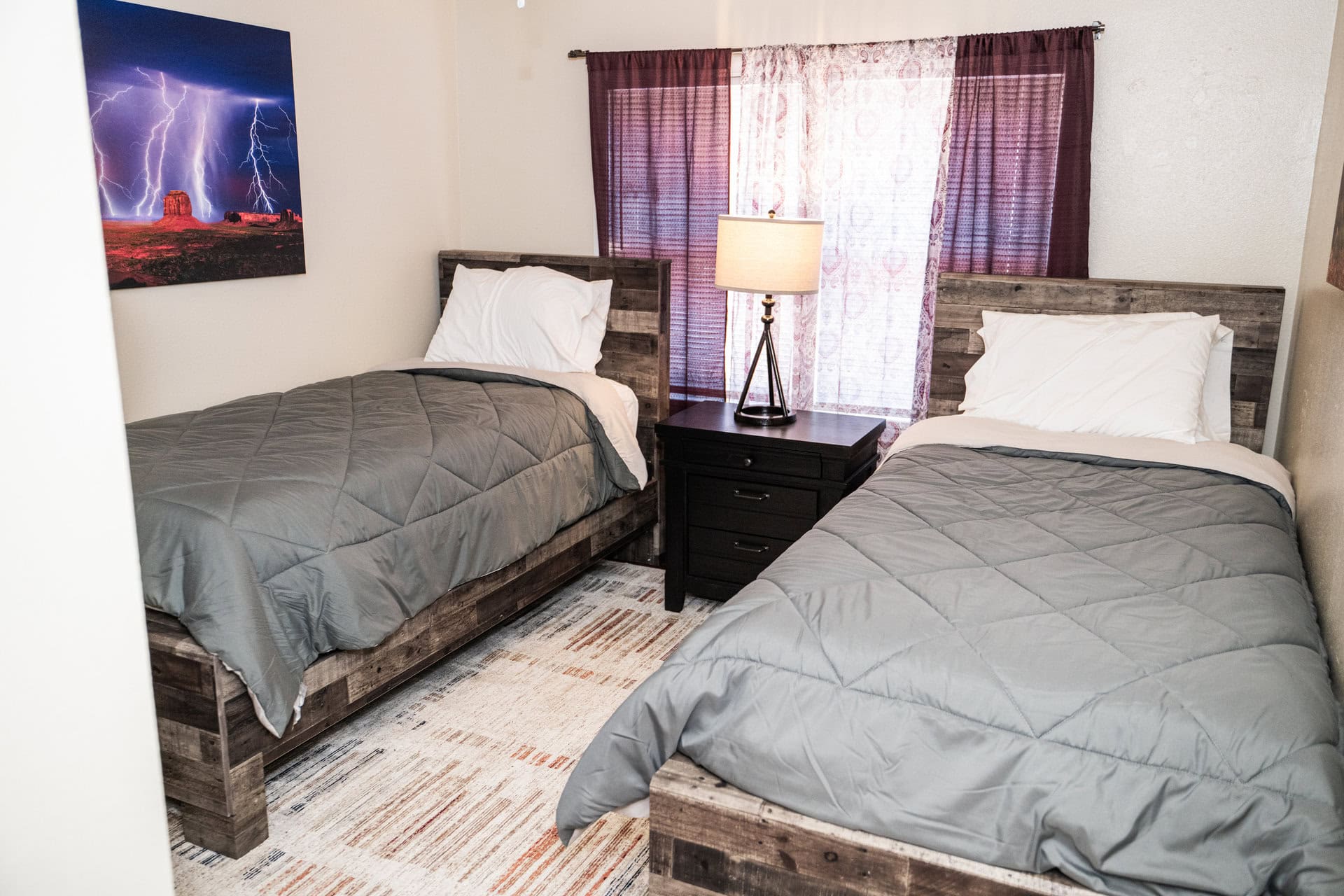
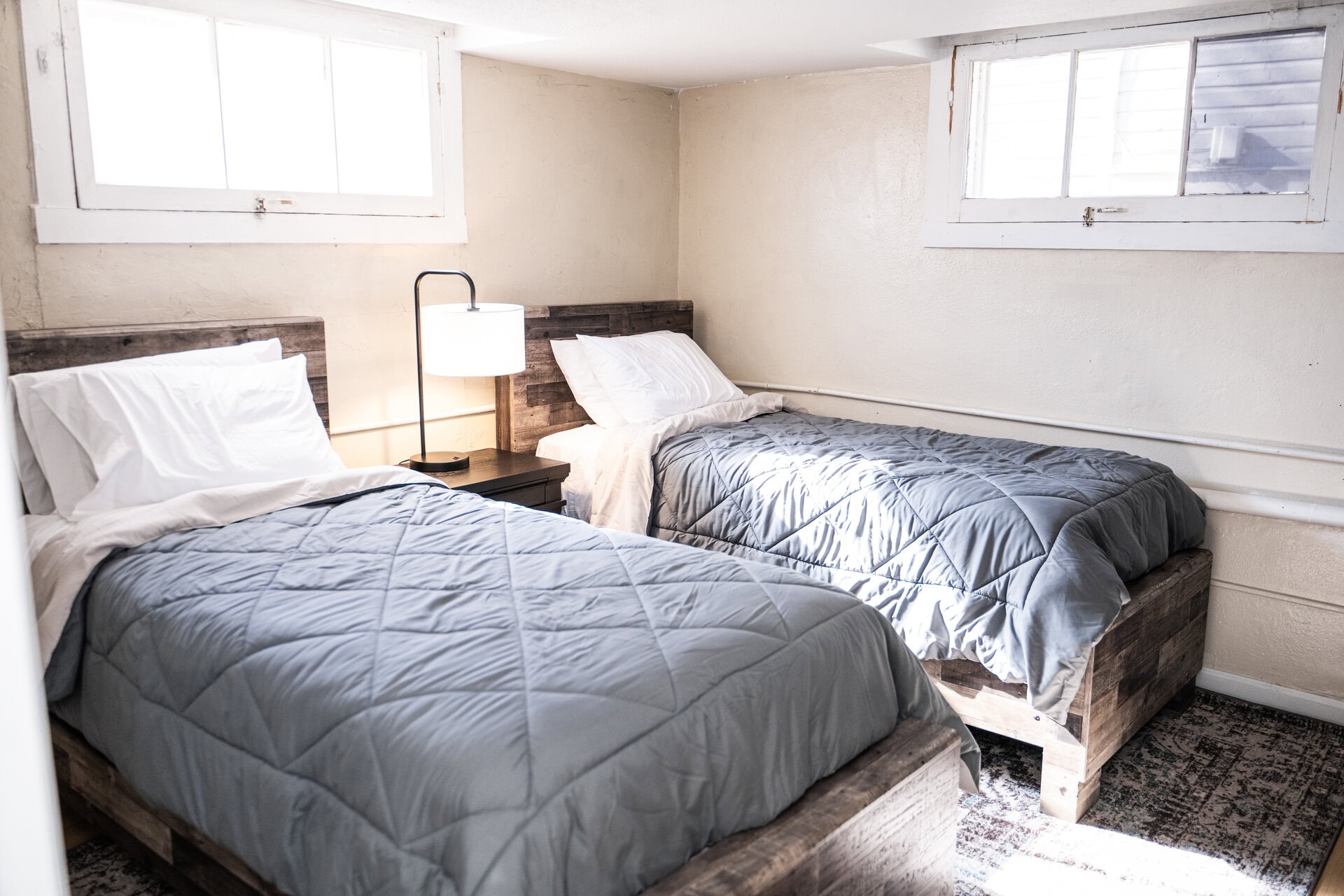
These homes were intentionally furnished to feel calm, comfortable, and lived in, not institutional.
Residents sleep in comfortable beds with quality linens. Common spaces are clean, thoughtfully arranged, and designed for real community—not surveillance. Small details matter here, because dignity matters.
This is a place to settle, reset, and be seen.
Inside Ava Health at Hallywood – Women’s Recovery Residence
Inside Ava Health at Kenneth’s Ray – Men’s Recovery Residence
What Makes This Different From Other Sober Living Homes
This is not:
- An unstructured Oxford House
- Independent housing with minimal oversight
- A clinical residential treatment program
This is:
- A peer-supported recovery community
- A structured bridge between clinical care and independence
- A place where accountability and dignity coexist
Expect standards.
Expect community.
Expect growth.
Dedicating “Kenneth’s Ray”
by Nicole Carretti, Housing Supervisor
Kenneth Ray was my nephew. He was family. He was loved. And like too many families, ours was impacted by suicide after he struggled with mental health challenges that became overwhelming.
His name was Kenneth Ray.
And today, we dedicate this home as Kenneth’s Ray.
The name carries two meanings.
First, it carries him — his full name, spoken and remembered.
Second, it carries hope. Because a ray is light. A ray breaks through darkness. A ray reminds us that even when everything feels heavy, light is still possible.
We are not defining Kenneth by how he died. We are honoring who he was. We are choosing to let his name stand for something life-giving.
This home will be a place where:
- People are seen.
- Mental health is talked about openly.
- Struggles are met with compassion.
- Asking for help is seen as strength.
- And no one feels invisible.
If Kenneth’s story teaches us anything, it is that silent suffering can be devastating — but connection can be life-saving.
As his family, I carry grief. But I also carry purpose. Naming this home Kenneth’s Ray is my way of turning loss into light. It is my way of ensuring that his life continues to matter — not just in memory, but in impact.
May this house be a place where light is intentionally created.
May it be a place of safety and healing.
May it be a place where hope is rebuilt, one day at a time.
Kenneth Ray was loved. He is remembered.
And through Kenneth’s Ray, his name becomes a light for others walking through darkness.

What Progress Looks Like Here
Progress is measured by stability and momentum:
- Consistent sobriety
- Meeting attendance and participation
- Employment or education engagement
- Financial responsibility and budgeting
- Healthy peer relationships
- Clear plan for independent housing
You are building proof that independence is sustainable.
Community Integration Is Still the Goal
Recovery Residence supports:
- Workforce reentry
- Educational enrollment
- Family reconnection when appropriate
- Long-term housing placement
- Ongoing outpatient or peer recovery involvement
This phase focuses on living recovery, not just maintaining it.

Length of Stay
Typically, 60–120 days, depending on stability and housing readiness.
This is transitional by design.
The goal is independence
What Comes Next
Clinically Supported Transitional Living is temporary by design—but foundational in impact. When residents are ready, we support transition to:
Independent Housing → Ongoing Outpatient Care → Ava Always
What our Newsletter Is Here For
Behavioral healthcare has a trust problem. Our Newsletter is a public record.
Every week, we share what it actually takes to build the most trusted behavioral health company from the inside – the wins, the pressure, the roadblocks, the recalibrations, and the decisions that shape whether trust is earned or lost.
Community Reintegration Is the Goal
Ava Health’s Recovery Residence is structured, peer-supported sober living for individuals stepping down from ASAM 3.1 or residential treatment.
It provides housing, meals, accountability, and community support—without 24/7 clinical oversight.
Not independent living.
Not residential treatment.
A structured bridge to independence.
Cost & Insurance
We accept Medicaid and most major commercial insurance plans. Coordinated with state and local behavioral health systems.








We’re Here When You’re Ready.
Whether you have questions, need guidance, or are ready to take the next step—our team is here to help.
Call Us Now
(833) 888-4145
Speak with our Team Directly
Send Us a Message
Fill out our secure contact form and we’ll respond shortly.