Clinically Supported Transitional Living in Grand Junction, CO
Coming Soon (early March 2026)
Licensed ASAM Level 3.1 Care for Mental Health and Substance Use Recovery
Structured Recovery Housing Covered by Medicaid
When you’re not in crisis—but you’re not ready to live independently—clinically supported transitional living in Grand Junction, Colorado provides the structure, accountability, and care needed to stabilize and move forward.
Ava Health offers licensed ASAM Level 3.1 transitional living, allowing us to support both serious mental health conditions and substance use disorders under the same level of care, with individualized clinical focus based on your needs.
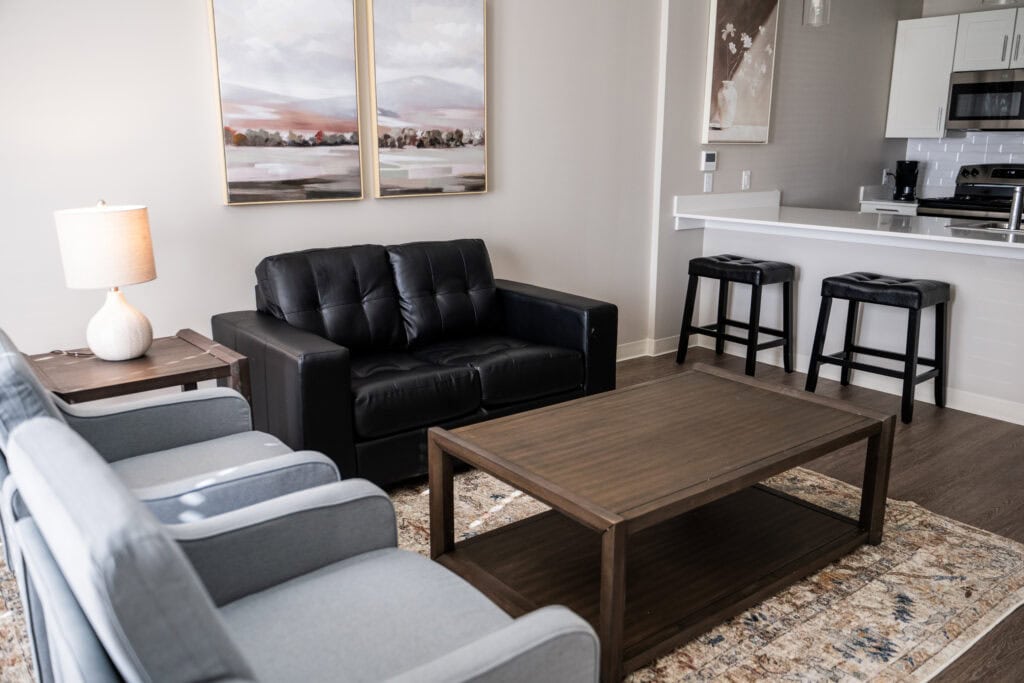
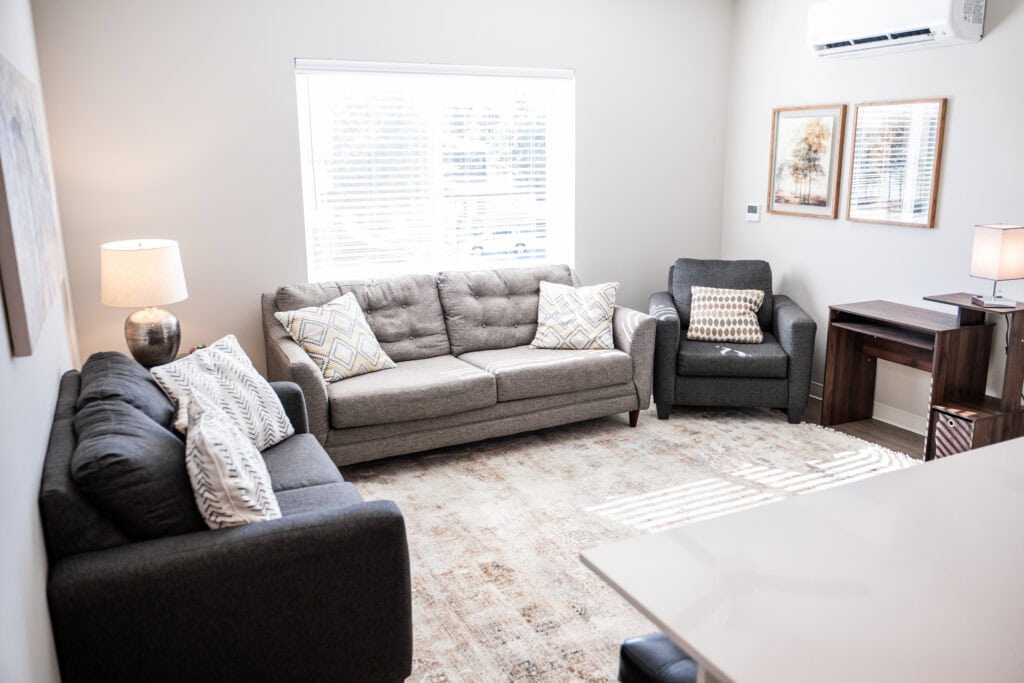
This is not just housing. It’s structured, Medicaid-covered treatment in a real home environment.
What This Level of Care Provides:
Licensed ASAM Level 3.1 residential support
24/7 on-site staff and structured daily routines
Integrated outpatient therapy, psychiatry, case management, and MAT when indicated
Accountability, life skills support, and community reintegration
Covered by Medicaid and most major commercial plans
What Is Clinically Supported Transitional Living (ASAM 3.1)?
ASAM Level 3.1 is a non-acute residential level of care for individuals who are medically and psychiatrically stable but still require structure, supervision, and clinical oversight to live safely and progress in recovery.
At Ava Health, this level of care supports:
Individuals with co-occurring mental health and substance use disorders
Adults in early or fragile recovery from substance use
The housing structure is the same.
The clinical focus adapts to the person.
What is Clinically Managed Low-Intensity Residential?
You may be a fit for Clinically Supported Transitional Living In Grand Junction, Colorado if:
Co-Occurring Focused Support
Living with co-occurring mental health and substance use challenges
Transitioning from detox, residential treatment, hospitalization, or incarceration
Needing structured support for both recovery and mental health stability
Experiencing relapse risk or instability without structure or support
Psychiatric oversight and medication support for mental health stability
Integrated therapy addressing both mental health and substance use
Skill-building for emotional regulation, recovery, and daily functioning
Support transitioning to stable housing and ongoing recovery care
Substance Use Disorder–Focused Care Includes
Structured sober living expectations and daily accountability
Access to outpatient therapy, IOP, and medication assisted treatment
Relapse prevention planning and recovery skill development
Court, probation, and compliance coordination when needed
Care plans are individualized. Progress is collaborative.
How We Measure Progress
We track what actually predicts long-term stability—not just symptoms.
Engagement in therapy, psychiatry, and recovery supports
Medication adherence and self-advocacy
Daily functioning and routine consistency
Housing readiness and discharge planning
Employment, education, or benefits progress
Reduced crisis events and improved regulation
Community engagement and support system development
You don’t “earn” discharge. You prepare for it.
What our Newsletter Is Here For
Behavioral healthcare has a trust problem. Our Newsletter is a public record.
Every week, we share what it actually takes to build the most trusted behavioral health company from the inside – the wins, the pressure, the roadblocks, the recalibrations, and the decisions that shape whether trust is earned or lost.