
Mental health affects every aspect of our lives. It influences how we think, feel, respond to stress, build relationships, and navigate everyday responsibilities. When mental health struggles arise, they can impact everything from work performance and family relationships to physical health and overall quality of life. Yet despite how common these challenges are, many people hesitate to seek help.
For those searching for support, understanding the landscape of mental health in Grand Junction can be an important first step. Whether you are experiencing anxiety, depression, trauma, emotional burnout, or co-occurring substance use concerns, there are treatment options available that can help you regain stability and move toward long-term healing.
Many people assume they need to reach a crisis point before seeking care. In reality, mental health treatment is most effective when individuals receive support before symptoms become overwhelming. Accessing mental health care is not a sign of weakness. It is an investment in your well-being, your future, and your ability to live a healthier, more fulfilling life.

Why Mental Health Matters More Than Ever
Mental health is often discussed separately from physical health, but the two are deeply connected. When mental health suffers, physical symptoms frequently follow. Chronic stress, anxiety, depression, and unresolved trauma can contribute to sleep disturbances, fatigue, headaches, digestive issues, weakened immune function, and other health concerns.
Mental health also influences how we engage with the world around us. It affects our ability to maintain healthy relationships, pursue goals, perform at work, and enjoy meaningful experiences. When emotional challenges go untreated, they can gradually impact every area of life.
Across Colorado and throughout the country, more people are recognizing the importance of prioritizing their mental well-being. The growing awareness surrounding mental health in Grand Junction reflects a broader understanding that seeking help is not something to be ashamed of. It is a proactive step toward creating a healthier future.
Common Mental Health Challenges Affecting People in Grand Junction
People seek mental health treatment for many different reasons. Some have experienced symptoms for years, while others notice changes after a major life event or stressful transition.
Anxiety disorders remain one of the most common reasons individuals seek mental health support in Grand Junction. Persistent worry, racing thoughts, panic attacks, difficulty concentrating, and physical symptoms such as tension or restlessness can interfere with daily life and make even routine activities feel overwhelming.
Depression is another significant concern. It often goes beyond feelings of sadness and may include hopelessness, emotional numbness, low energy, loss of interest in previously enjoyed activities, changes in appetite, and difficulty maintaining relationships or responsibilities.
Trauma can also have a lasting impact on mental health. Experiences such as abuse, neglect, violence, loss, accidents, or other distressing events can continue affecting an individual’s thoughts, emotions, and behaviors long after the event itself has passed.
Other mental health conditions that may require professional support include bipolar disorder, schizophrenia, mood disorders, personality disorders, obsessive-compulsive disorder, and co-occurring mental health and substance use disorders.
Regardless of the specific diagnosis, every individual deserves access to compassionate care that acknowledges their unique experiences and goals.
Signs It May Be Time to Seek Mental Health Support
Many people wonder whether their struggles are serious enough to justify professional treatment. The reality is that you do not need to wait until things become unmanageable before reaching out for help.
You may benefit from mental health care if you find yourself feeling persistently anxious, overwhelmed, emotionally exhausted, hopeless, withdrawn, or unable to cope with everyday stress. Changes in sleep, appetite, concentration, motivation, or relationships can also indicate that additional support may be beneficial.
Some individuals notice that their emotions feel increasingly difficult to regulate. Others may begin using alcohol or drugs to cope with emotional distress. Some simply recognize that they no longer feel like themselves.
Seeking support early can help prevent symptoms from escalating while providing valuable tools for managing challenges more effectively. Mental health treatment is not reserved for crisis situations. It is available for anyone who wants to improve their emotional well-being and quality of life.
What Types of Mental Health Services Are Available in Grand Junction?
One of the advantages of accessing mental health care in Grand Junction is the availability of multiple levels of support designed to meet people where they are in their recovery journey.
Outpatient Therapy
Outpatient therapy provides ongoing support while allowing individuals to continue living at home, working, attending school, or caring for family responsibilities. Services may include individual counseling, family therapy, group therapy, psychiatric care, medication management, peer support, and case management.
For many individuals, outpatient treatment offers a flexible and effective way to address mental health concerns while remaining connected to everyday life.
Intensive Outpatient Programs
Intensive Outpatient Programs, commonly known as IOPs, provide a higher level of structure than traditional therapy. Individuals participate in multiple treatment sessions each week while maintaining many of their daily responsibilities.
This level of care can be particularly beneficial for those transitioning from more intensive treatment or those who require additional support beyond weekly counseling.
Partial Hospitalization Programs
Partial Hospitalization Programs, or PHPs, offer comprehensive daily treatment while allowing participants to return home at the end of the day. PHPs are often recommended for individuals who need significant clinical support but do not require residential care.
These programs typically include therapy, psychiatric services, medication management, life skills development, and peer support.
Mental Health Stabilization
Mental health stabilization programs provide short-term, structured support for individuals experiencing significant emotional distress. These programs can help prevent crises from escalating while offering immediate access to clinical and psychiatric care.
For individuals feeling emotionally overwhelmed but not requiring hospitalization, stabilization services can provide a safe and supportive environment to begin healing.
Residential Mental Health Treatment
Residential treatment offers 24-hour support in a structured setting where individuals can focus fully on recovery. This level of care may be appropriate for those experiencing severe symptoms, co-occurring disorders, repeated treatment setbacks, or significant challenges maintaining stability in their daily environment.
Residential programs provide comprehensive care that may include therapy, psychiatric support, medication management, wellness activities, and individualized treatment planning.
The Connection Between Mental Health and Substance Use
One of the most important aspects of modern behavioral healthcare is recognizing the relationship between mental health and substance use. Many individuals living with anxiety, depression, trauma, or other mental health conditions turn to alcohol or drugs as a way to cope with emotional pain.
While substances may provide temporary relief, they often worsen mental health symptoms over time. This can create a cycle in which both conditions reinforce each other, making recovery increasingly difficult without professional support.
This is why integrated treatment is so important. Effective mental health treatment in Grand Junction often addresses both mental health concerns and substance use disorders simultaneously. Treating the whole person rather than focusing on a single diagnosis helps create stronger and more sustainable recovery outcomes.
Why Trauma-Informed Care Matters
Many people seeking mental health services carry experiences that have shaped how they view themselves and the world around them. Trauma-informed care recognizes the impact these experiences can have on emotional well-being and recovery.
Rather than asking what is wrong with someone, trauma-informed care seeks to understand what they have experienced and how those experiences continue to affect their lives. This approach creates an environment built on safety, trust, respect, collaboration, and empowerment.
For individuals seeking mental health support in Grand Junction, trauma-informed treatment can help foster meaningful healing while reducing feelings of shame or judgment. It creates space for people to process their experiences and build healthier ways of coping with life’s challenges.
How Mental Health Treatment Can Improve Your Daily Life
The benefits of mental health treatment extend far beyond symptom reduction. While many people initially seek care because they want relief from anxiety, depression, trauma, or emotional distress, treatment often creates positive changes throughout every area of life.
Many individuals experience stronger relationships, improved communication skills, greater emotional resilience, increased self-awareness, and a renewed sense of purpose. They develop healthier coping strategies, gain confidence in managing challenges, and begin making choices that align with their long-term goals.
Mental health treatment can also improve physical health by reducing chronic stress and encouraging healthier routines related to sleep, exercise, nutrition, and self-care.
Perhaps most importantly, treatment can restore hope. When people feel trapped by emotional pain, it can be difficult to imagine a different future. Professional support helps individuals recognize that recovery is possible and that lasting change can happen.
Finding the Right Mental Health Provider in Grand Junction
Choosing a mental health provider is an important decision. While credentials and services matter, it is equally important to find a treatment team that makes you feel respected, heard, and understood.
Look for providers that offer individualized treatment plans, trauma-informed care, evidence-based therapies, and a full continuum of support. It can also be helpful to find programs that address co-occurring mental health and substance use concerns when appropriate.
The best provider is one that sees you as more than a diagnosis. Effective treatment should recognize your strengths, your goals, and your potential for growth while helping you navigate challenges with compassion and support.
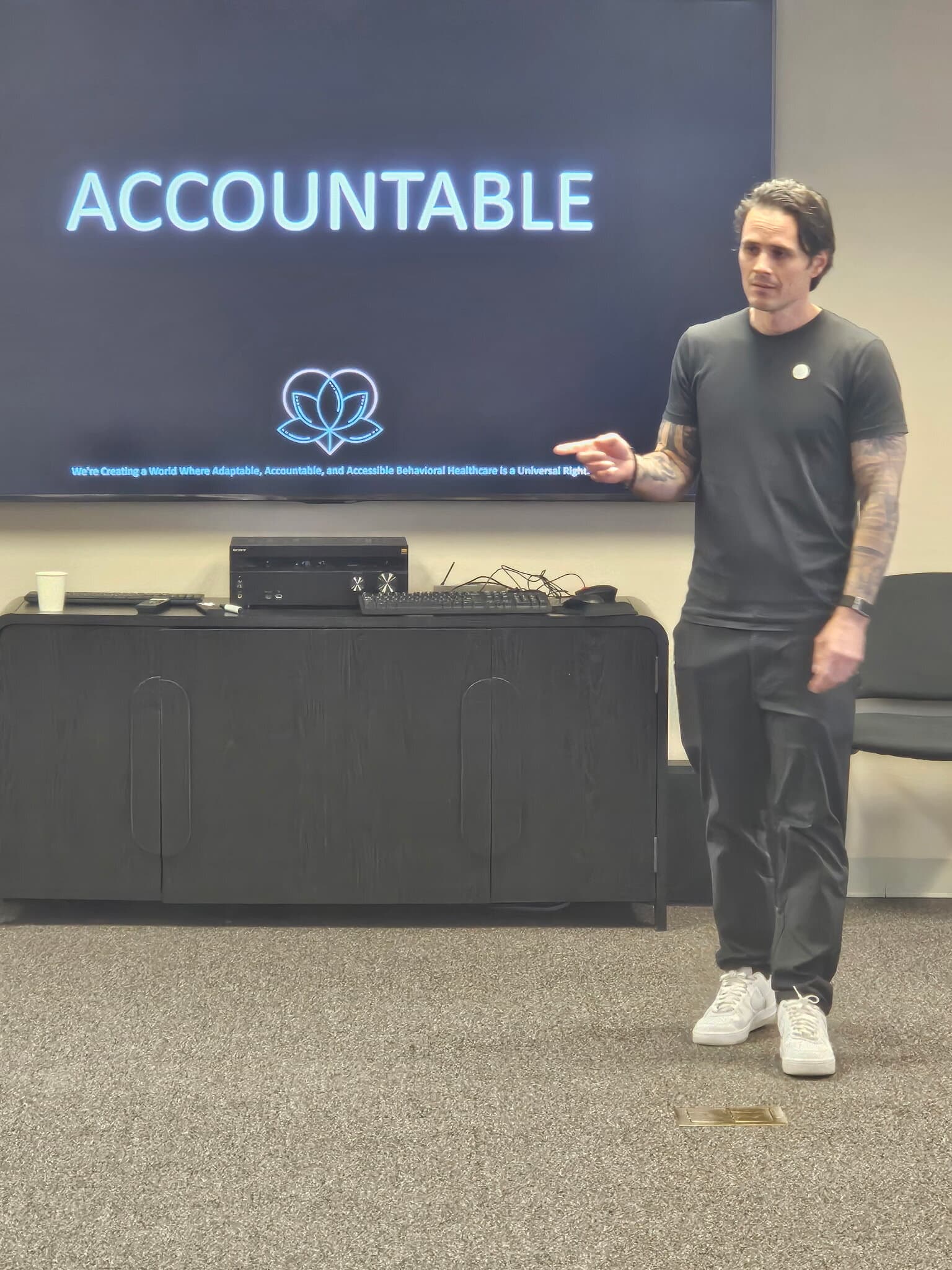
Mental Health in Grand Junction: Taking the First Step Toward Recovery
Recovery does not begin when every problem is solved. It begins when someone decides they are ready to seek support.
If you or someone you love is struggling with anxiety, depression, trauma, emotional instability, substance use, or co-occurring disorders, help is available. Mental health in Grand Junction is supported by a growing network of professionals and treatment programs dedicated to helping individuals build healthier, more fulfilling lives.
At Ava Health, we believe everyone deserves care that works and people who do not give up on them. Our comprehensive continuum of care includes mental health stabilization, residential treatment, PHP, IOP, outpatient services, transitional housing, and long-term recovery support designed to meet individuals wherever they are in their healing journey.
You do not have to wait until things become overwhelming to seek help. Contact Ava Health today to learn more about our mental health services in Grand Junction and discover how compassionate, trauma-informed care can help you take the next step toward lasting recovery.